Who We Are
One Degree. Four Paths. Endless Possibility.
What can a Chemical Engineering degree from UMaine take you? Ask four members of the Class of 1996, and you’ll get four very different answers.
Same degree. Same graduating year. Completely different journeys.
That’s exactly the point. A ChemE degree from UMaine isn’t a single road. It’s a foundation that can take you wherever your curiosity, drive, and willingness to say yes lead you. These are their stories.
Class of 1996
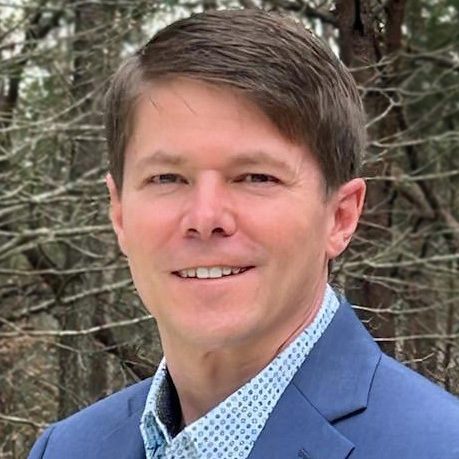
Scott Varney
VP of Service, Voith Paper
Scott Varney graduated with a clear goal: work in mill production and become a mill manager. It took fifteen years and a personal decision — relocating his young family closer to grandparents — to change everything.
Read Scott's full story
“I transitioned to sales for personal reasons,” Scott says. “We were living in northern Maine and had a two-year-old daughter who didn’t know her grandparents well. When this opportunity came up to relocate to the Lewiston/Auburn area and work for a more financially stable company, I jumped at the chance.”
What happened next surprised even him. The same companies that told him he wasn’t cut out for sales in his senior year of college watched him become Salesman of the Year at BTG Americas and eventually take on sales responsibility across North and South America.
His operations background turned out to be his greatest asset. “I had walked in the shoes of my new customers. I had instant credibility with them because they knew my production background.”
Today, as VP of Service at Voith Paper, Scott thinks less about individual customer interactions and more about building the teams and systems that make those interactions excellent. “I spend my day thinking about how we can improve, do things better. I see more of the organization than my direct reports, so I can be visionary and throw out ideas and allow my team to run with them.”
Scott has also stayed closely connected to UMPPF, advocating for Foundation membership at both BTG and Voith, attending Paper Days, establishing a named scholarship with his wife, and joining the Board of Directors. “I’m closer to the end of my career than the start,” he says, “so I want to give back to the next generation.”
His advice to students is simple: go into the mill, learn everything you can, and stay open to where it leads.
Class of 1996
Chad Martin
President, North America PMC, AstenJohnson
Chad Martin grew up in Winslow, Maine, with family ties to the pulp and paper industry. When he started at UMaine, he pictured something familiar: a job at a local mill, a life close to home. What he built instead is a 30-year career spanning R&D, product development, marketing, sales, and executive leadership. (Plus nine U.S. patents and teams managed across four countries!)

Read Chad's full story
None of it was planned.
“I never spent much time trying to map out where I would be in five or ten years,” Chad says. “I focused on making the most of the role I was in, learning as much as possible, and becoming the best I could at each job. I believed that if I worked hard, stayed curious, and delivered results, new opportunities would follow.”
His early years on the manufacturing floor shaped everything that came after. Working alongside shop floor associates gave him an understanding of how products actually get made. He carried that knowledge with him as he moved into customer-facing technical roles, then product management, then broader leadership. Each transition followed the same logic: curiosity about what was on the other side.
The patents are a measure of that curiosity. His first came early in his career, when paper machines across the industry were converting to more recycled fiber. Contaminants were causing sheet defects and drainage problems. Chad helped develop a coating that kept fabrics cleaner longer, reducing defects and cutting the need for expensive passivation chemicals.
“What I learned early is that patents are rarely the result of one person working alone,” he says. “Every patent I’ve been involved with came from collaborating with talented colleagues, listening to customers, understanding their challenges, and finding practical solutions to real problems.”
Now leading North America PMC at AstenJohnson, Chad has also served on the UMPPF Board since 2020. He sees supporting the Foundation as a direct extension of values his career has reinforced: relationships matter, and success is something you build together.
Class of 1996
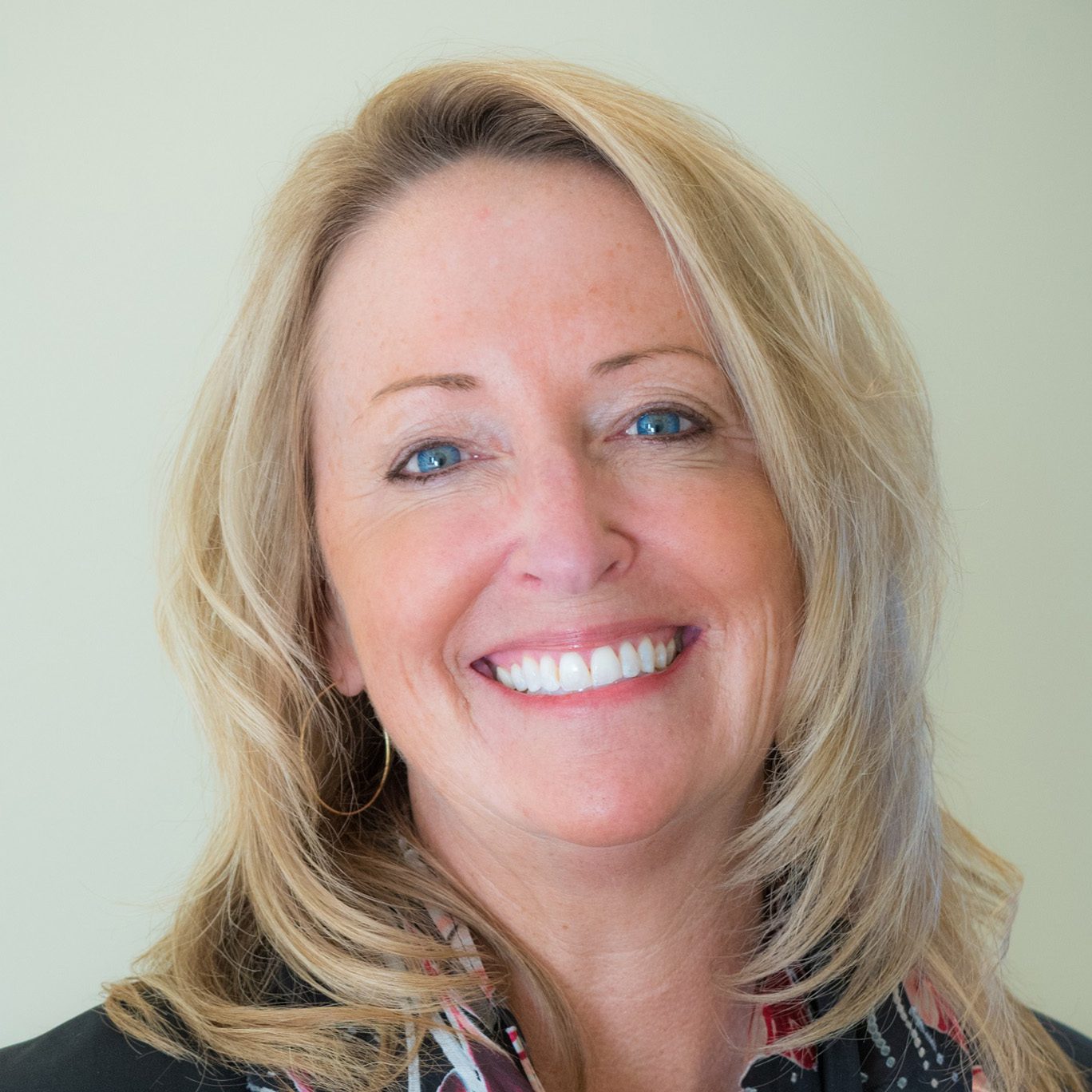
Heather DuBois
SVP Corporate Accounts, Institutional NA, Ecolab
When Heather DuBois arrived at UMaine, she expected a more traditional path. A plant role, process optimization, deep technical expertise. The UMPPF helped redirect her early, recommending a supplier co-op with Nalco Chemical. That placement changed the trajectory of everything.
Read Heather's full story
From that starting point, Heather built a career that has moved across application engineering, sales, account management, marketing, procurement, corporate accounts, and commercial leadership in industries ranging from pulp and paper to pharmaceuticals, data centers, microelectronics, and hospitality. Her engineering background traveled with her every step of the way, not as a technical specialty but as a way of thinking.
“My engineering background has been a major advantage throughout my career. It often allows me to quickly understand complex customer challenges, ask the right questions, and build credibility. Even in executive roles, I rely heavily on the analytical mindset I developed in engineering. The transition wasn’t about leaving engineering behind. It was about applying it in a different, more customer-facing, consultative context.”
One of her most formative experiences came when she was placed in a general manager role over a division where she had no technical expertise. “It was the best gift I could have been given,” she says. “I could no longer lean on my technical skills. I had to focus on leadership and learning how to run a successful business.”
Mentorship has been a through-line throughout, both receiving it and giving it. Heather founded a Women’s Leadership Initiative chapter at a previous company that grew to more than 60 members and continues to invest in community and sponsorship at Ecolab. “No one builds a successful career alone,” she says. “Having people who challenge you, advocate for you, and help you see new possibilities is invaluable.”
Her message to students: stay open, raise your hand for tough assignments, and lean on the Foundation.
Class of 1996
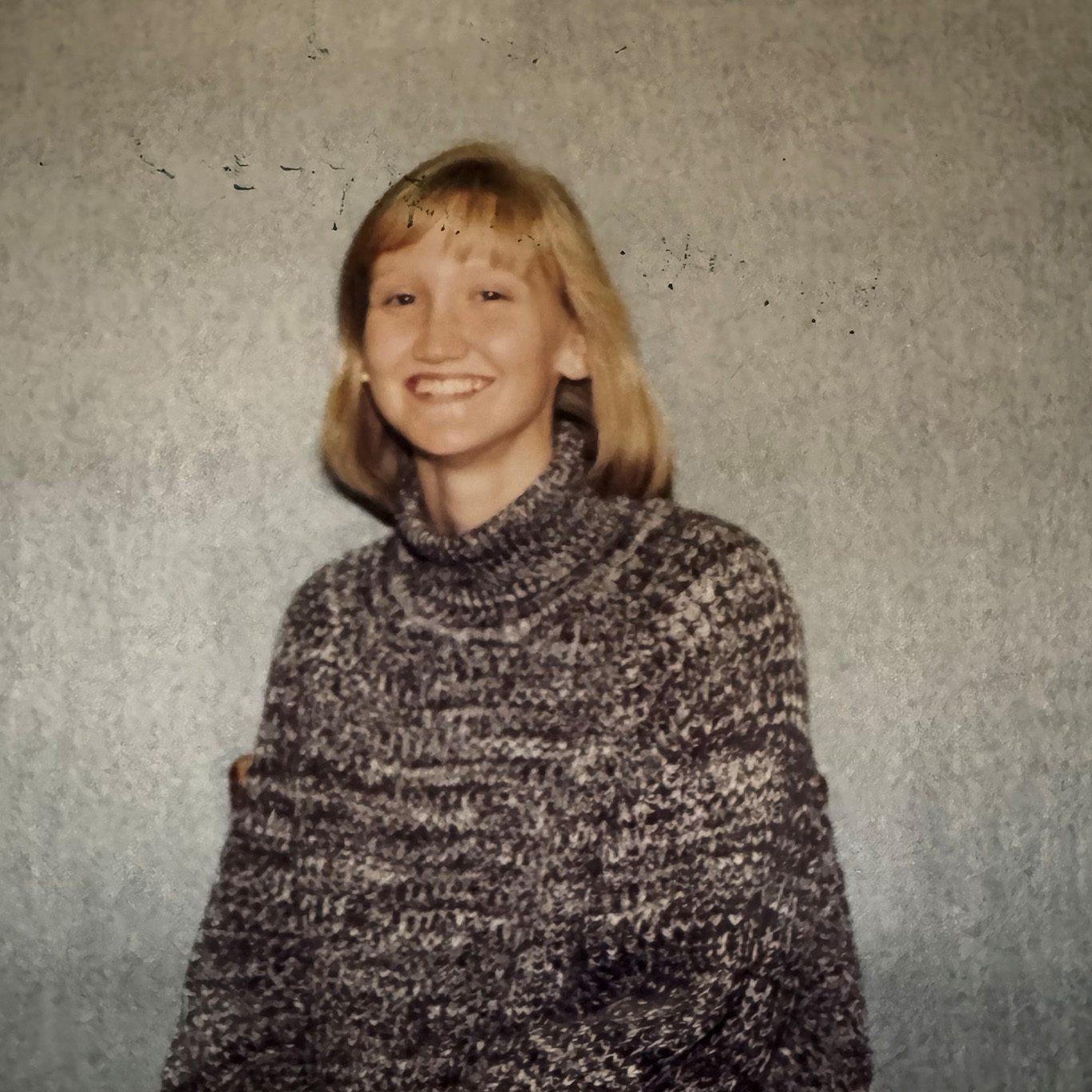
Annette Smith-Wright
Product Development and Quality Manager, Irving Consumer
Annette Smith-Wright graduated magna cum laude from UMaine with a ChemE degree and, by her own account, no clear picture of what came next. “The possibilities felt endless, and there was so much to explore and learn,” she says.
Read Annette's full story
“Quality is truly the foundation of any successful company,” she says. “The challenge of measuring and defining what it takes to meet or exceed customer expectations is never-ending. I firmly believe that the process makes the product.”
That belief has carried her across roles at several companies, from technical services engineer to tissue technical director to her current position leading both product development and quality at Irving Consumer Products. In each role, the core work has been the same: bring people together across departments, understand the problem, and build something that works.
The stakes of that work came into sharp focus during the pandemic, when supply chain disruptions made the complexity of manufacturing visible to everyone who’d never thought about it before. “Most folks don’t realize how complex supply chains and manufacturing processes are until something goes wrong,” Annette says. “My colleagues and I take a lot of pride in ensuring that what we make is reliable and does its job well.”
Her advice to students echoes what she’s practiced throughout her own career: try as many different things as possible, communicate across every level of an organization, and stay curious.
“You can have the best ideas in the world,” she says, “but if you can’t communicate them effectively — whether to executives making big decisions or to the hourly workforce operating the equipment — those ideas will never become reality.”
Interested in learning more about what a ChemE degree from UMaine can open up for you? Explore our scholarship and co-op opportunities, or connect with us to learn more.

UMaine Pulp + Paper Foundation